
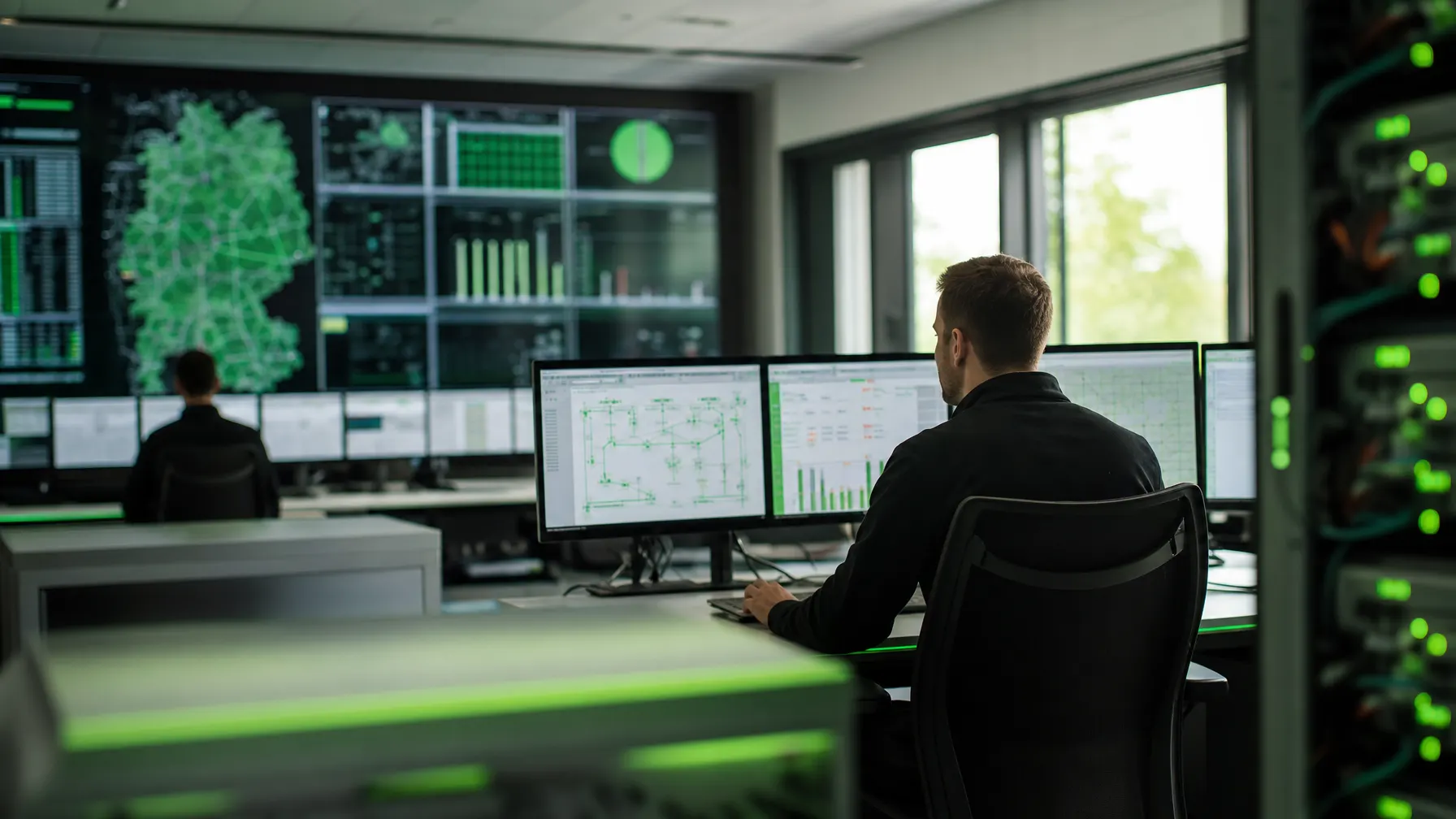
// Industries · Energy
IT solutions for the energy sector
Plant runs continuously, maintenance windows are short, and every access from outside has to stand up to scrutiny later. We plan the IT underneath it just as soberly.
// Continuous operation
Rebuilding happens while everything keeps running
Supply leaves no quiet moment in which everything could be switched off for a while. Generation, grid operation and metering run continuously, maintenance windows are short and agreed long in advance. Every change to the IT fits into that rhythm rather than the other way round.
On top of that comes attention from outside: anyone running supply is watched more closely by attackers and held to a higher standard for their security organization than an average business. Which requirements apply to you specifically depends on role, size and type of plant — and that is a judgement for your own specialists, not for us.
Our contribution is the infrastructure underneath: separated network areas, controlled remote access, duplicated paths at the sore points, monitoring that reports anomalies, and documentation that lets you show afterwards who did what and when.
// Access
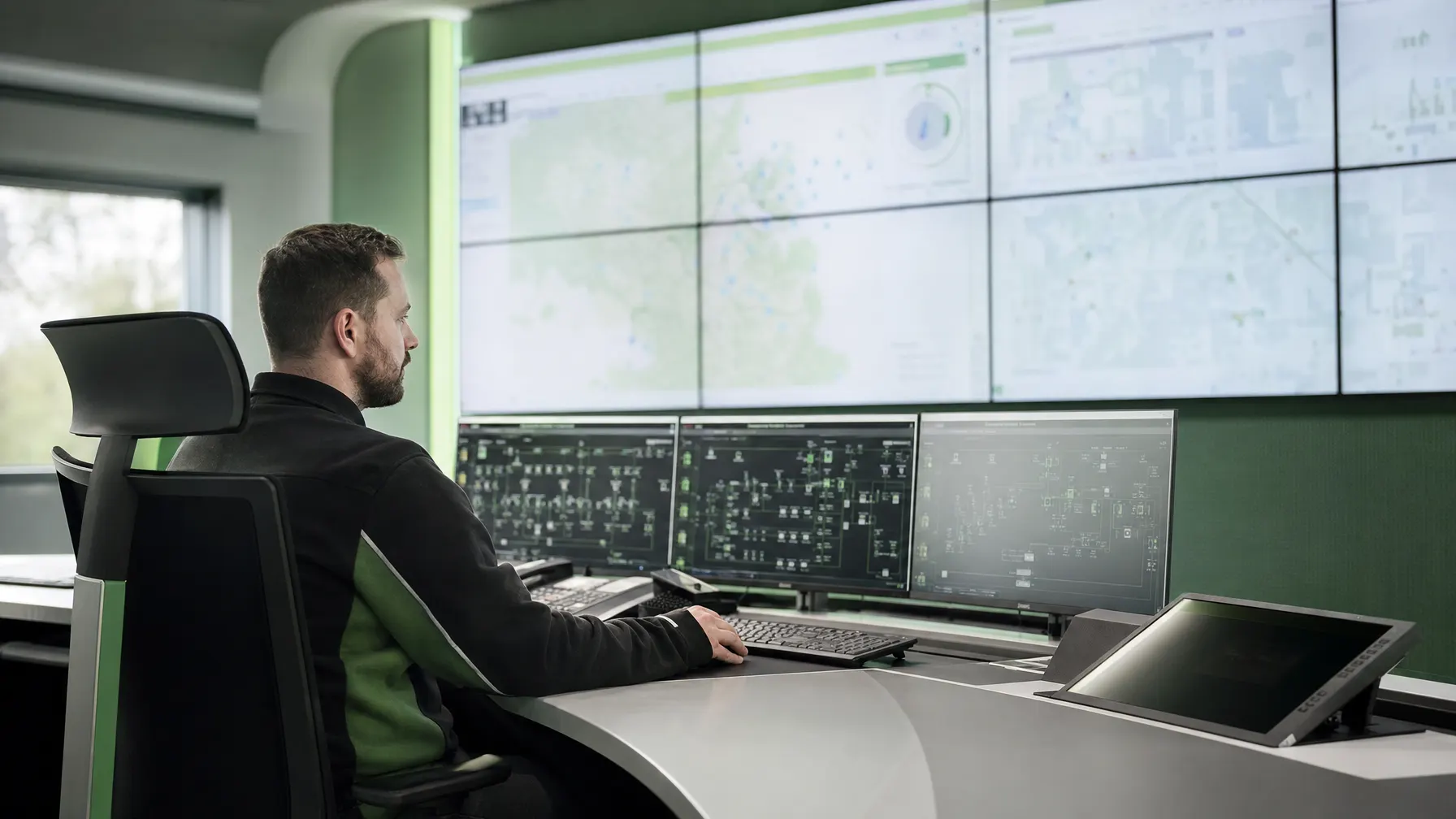
Every remote session needs a name, a reason and an end.
Contractors, plant builders and the on-call team all need access. Permanently open doors help nobody. Sessions are approved individually, logged, and closed again.
Firewall & VPNMaintenance paths do not stand open. They are enabled for the specific job and then withdrawn.
Entry points from outside carry additional protection — a password on its own does not qualify.
Who connected and when sits in the log, not in the memory of individual people.
Technical systems, the office world and third-party access each live in their own segment.
// Focus areas
Where we start in supply operations
Three areas that in energy businesses are almost always looked at together.

Segments and crossings
Separate areas for technical systems, administration and third-party access — with rules that read the same on paper and in the device.
Redundancy instead of hope
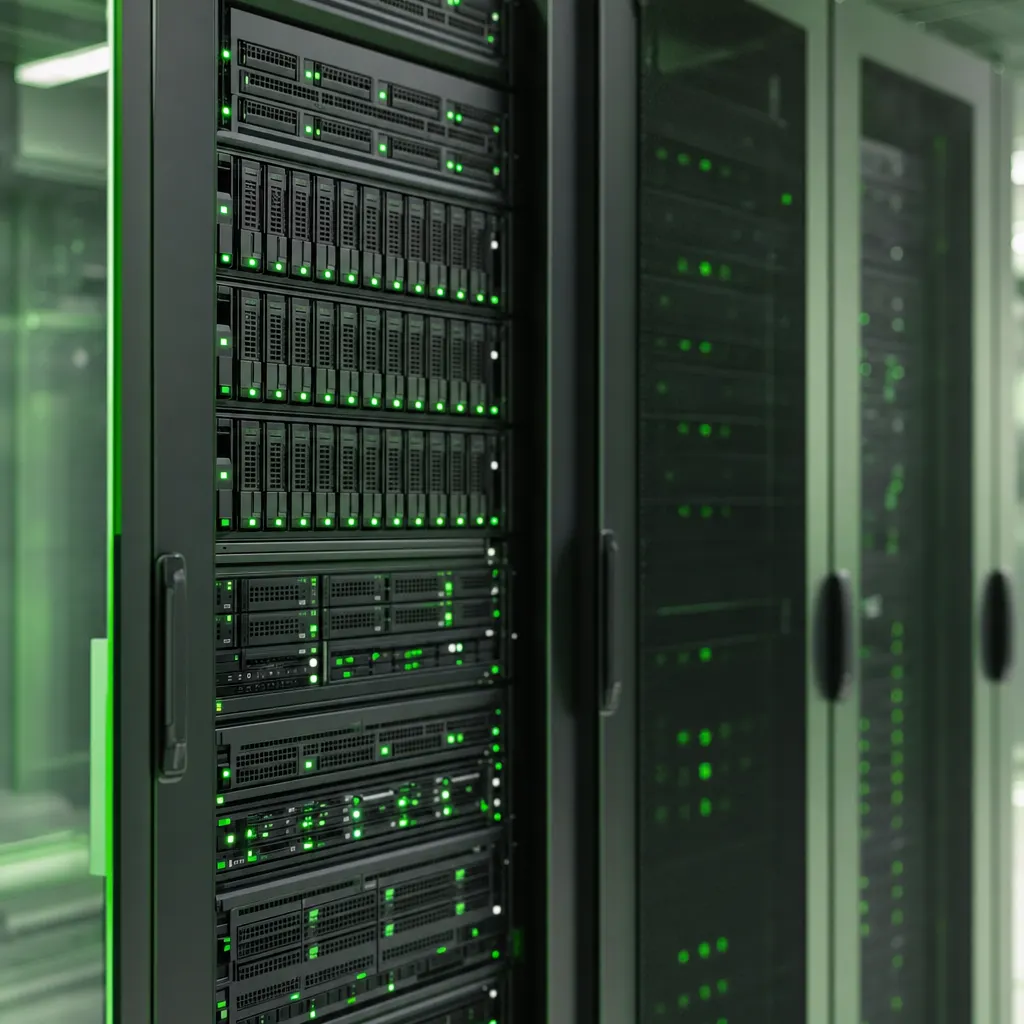
Duplicated paths for power, network and servers — and a backup whose restore has actually been rehearsed.
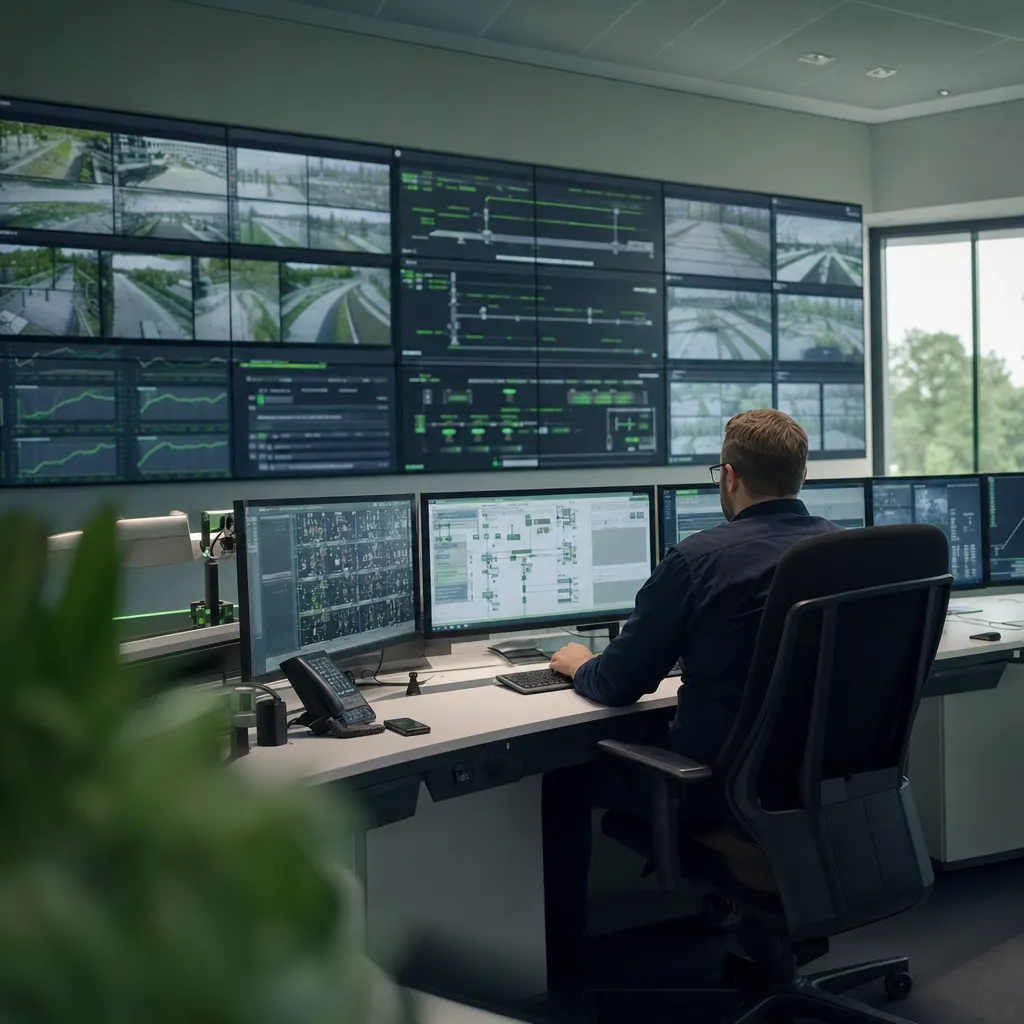
See anomalies early
Monitoring around the clock, with clear reporting paths and an agreed sequence for a suspected incident.
// Operating rules
Extra rules in a supply business
What sets the order of work in a project at a utility.
-
Changes with lead time
Rebuilds are announced, reviewed and planned so that they can be taken back. The way back belongs to the change, not to the improvisation afterwards.
-
Elevated rights stay accountable
Accounts with far-reaching permissions are kept separately and logged. Whoever needs them gets them for a limited time and a named purpose.
-
Restart in a fixed order
Which system comes up first and which waits is written down and practised. Otherwise everything starts at once in an emergency and nothing finishes.
-
Contractors are part of the chain
Suppliers and maintenance partners get controlled, time-limited access — instead of quietly keeping the door they were given years ago.
// Questions on energy IT
Access, redundancy and being able to show it
01 Do you meet the regulatory requirements for critical infrastructure?
Whether and which requirements apply to you depends on your role in the supply system — that is for your own specialists to judge. We certify nothing and issue no attestations. What we do is build the infrastructure so that you can show how access is controlled and how systems are kept apart.
02 Do you touch control systems or SCADA equipment?
No. Control technology stays with your specialist suppliers. We are responsible for the network, the crossing points, the access, the backup and the monitoring around it — and we agree every change to those points with you first.
03 How do you handle short maintenance windows?
We prepare at length and switch briefly. New paths are built and tested alongside normal operation; the window is used only for the changeover. For every step there is a described way back.
04 Do we get monitoring outside office hours?
Yes, monitoring runs around the clock. What gets reported, to whom, and with which urgency it is answered, is agreed with you in advance — so nobody has to improvise when it matters.
05 Can you connect several operating locations?
Yes. Depots, technical sites and administration are coupled over encrypted links, with separate segments, shared permission management and monitoring across all locations.
What supply businesses come back to most often
Let us talk about your operating locations.
Describe how access is controlled today and where paths exist only once. We will tell you what can be rebuilt while everything keeps running.